






 English
- English
 简体中文
简体中文 Español
 Français
 Deutsch
 Русский
 Português
 Italiano
 日本语
日本语 한국어
한국어 العربية
 Türkçe
 Tiếng Việt
 ไทย
ไทย Indonesia
 Melayu

Blog
-
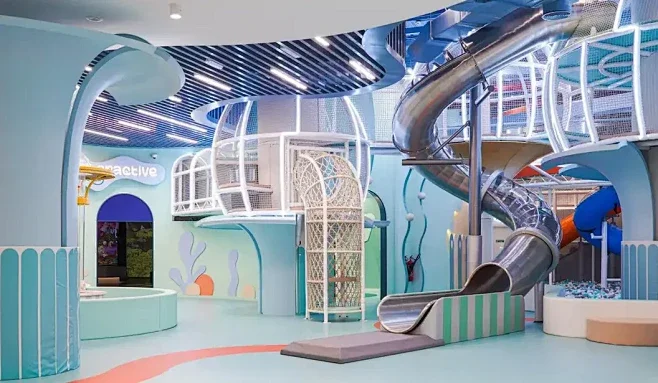
How Indoor Parks Use the “Vertical Slide” to Break Free from Homogenization and Shorten ROI Cycles?
1. Underlying Business Logic: Why the “Vertical Slide” Shortens ROI Cycles While traditional soft play structures and ball pits cover basic childcare needs, conventional commercial indoor playground equipment suffers from three key bottlenecks in today’s social-media-driven market: Weak Visual Impact: Lacks Instagrammable attraction spots, making it difficult to generate organic viral marketing for indoor play parks. Single Revenue Stream: Overly dependent on admission tickets with limited room for secondary consumption and upselling in indoor theme parks. Fast Customer Churn: Children quickly lose interest as they grow older, dragging down the indoor playground customer retention rate. The Traffic Magnet Integrating a Vertical Slide (Near-Vertica...Learn more -
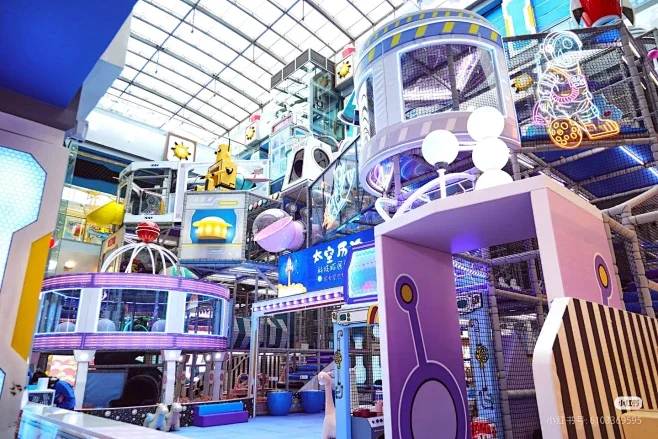
Breaking the Mold! How “Cyber-Pop” Redefines Differentiated Theme Park Design for Kids
Industry Pain Point: Indoor children’s parks are trapped in endless homogenization—flooded with generic pastel colors and traditional soft play castles. Investors urgently need a fresh aesthetic that generates social-media buzz while maintaining psychological safety for young children. Cyberpunk is undoubtedly one of the most trendy visual styles today. However, porting it directly into a children’s park often leads to failure: gloomy dark backgrounds, harsh flickering neon lights, and cold metallic pipes frequently intimidate younger children. How can we preserve the futuristic “levitation” and “cool tech vibe” while catering to children’s preference for high brightness and soft aesthetics? The answer is: Cyber-Pop (Smart-Future). Resolving Vis...Learn more -
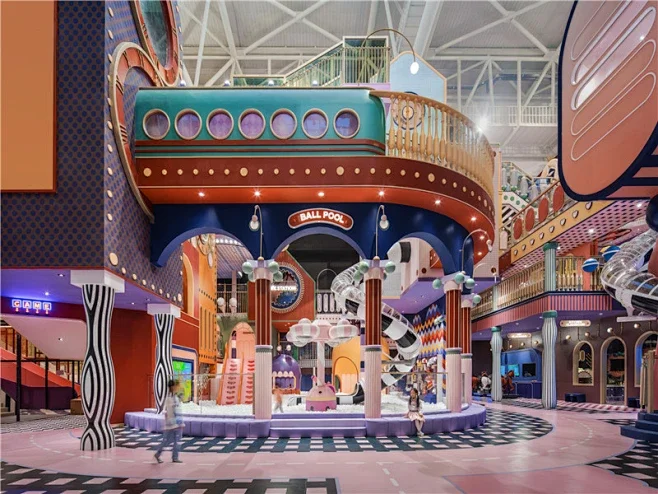
How to Turn Idle Mall Corners Into Profit Centers: A Guide to Boosting Revenue Per Square Foot with Mini Park Areas
In today’s competitive commercial real estate landscape, many large shopping complexes are dragged down by a silent profit killer: fragmented, irregularly shaped spaces that cannot be rented out or leased conventionally. From triangular zones beneath escalators and tight gaps between retail pillars to transitional dead corners, these “gray zones” sit right in high-traffic corridors yet yield zero return. To revitalize these assets, moving away from traditional, large-scale atrium concepts and introducing tailor-made mini indoor children’s park areas is one of the most practical paths to boosting space efficiency. I. The Real Pain Point for Commercial Real Estate: Wasted Odd Spaces Are Eating Your Revenue Mall structural planning prioritizes retail shops...Learn more -
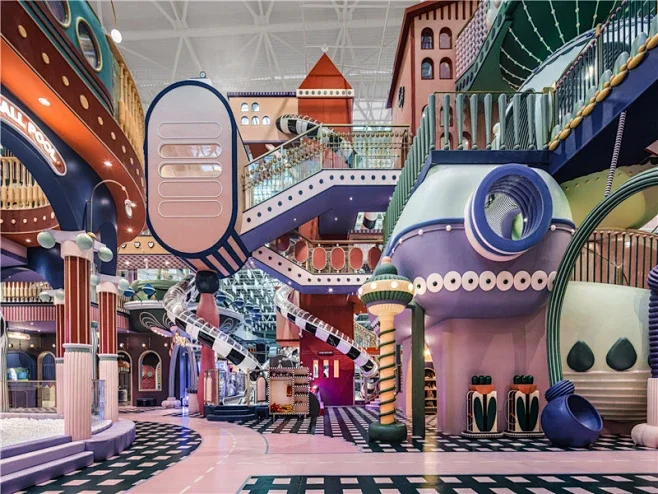
How to Boost Indoor Playground Retention on a Budget: Breaking the Traffic Slump with Modular Soft Play Upgrades
If you manage an indoor playground long enough, you inevitably hit the “3-Year Curse”: Grand opening crowds are massive, but 18 months in, visitor frequency drops steadily. When you want to upgrade your equipment, you are immediately trapped by the double whammy of costly shutdowns and hefty renovation bills. Putting up fresh posters or offering recharge discounts only treats the symptoms, not the root cause. Children quickly lose their sense of exploration on unchanging play structures. Having spent years specializing in amusement equipment customization and retrofitting, Ledi has found that old-school indoor playgrounds built with integrated welded structures lack the flexibility for iterative updates. Commercial modular design, however, opens up a path for venues t...Learn more -
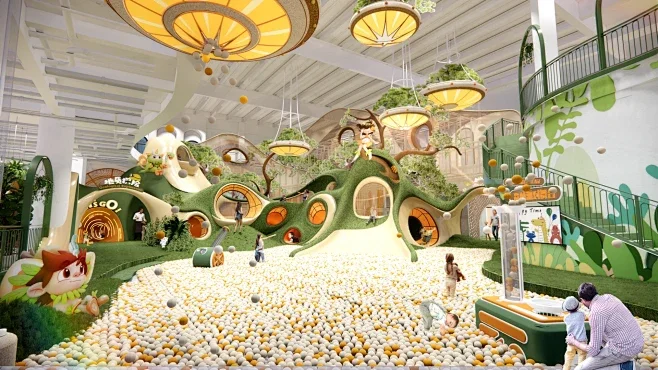
Commercial Indoor Playground Equipment Guide: Soft Play, Trampoline & Ninja Course Solutions
How to Choose the Right Commercial Indoor Playground Equipment for Maximum FEC ROI Building a high-profit, long-operating Family Entertainment Center relies entirely on scientific equipment matching, rather than blind pursuit of popular play facilities. Many venue operators face a common dilemma: similarly sized indoor playground spaces deliver vastly different revenue and customer retention effects. The core reason lies in whether the selected facilities fit local audience demographics, venue spatial conditions, and long-term operation profit models. Reasonable collocation of Soft Play for Toddlers, commercial trampoline parks, and Ninja Warrior Course can perfectly cover multi-age customer groups, eliminate idle venue periods, and create a stable profit loop for commercial enterta...Learn more -
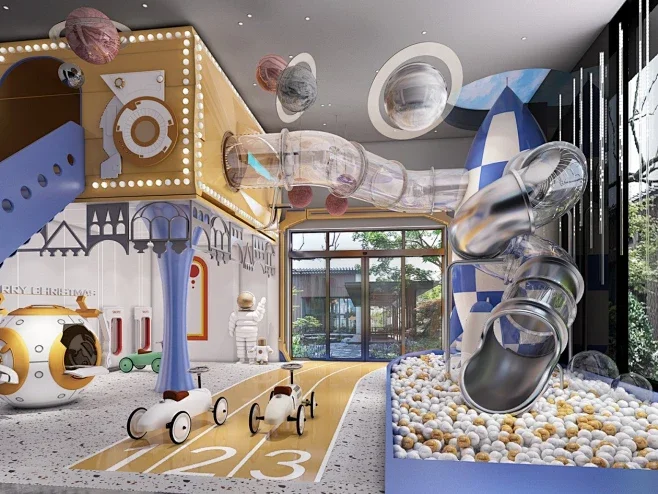
Indoor Playground Planning Guide: Height, Area & Equipment Layout Strategies
Most commercial indoor playground renovation and redesign costs stem from one critical oversight: calculating architectural ceiling height instead of actual usable clearance. Overhead obstacles including HVAC systems, fire sprinklers, and light fixtures typically reduce vertical space by 0.5m to 0.8m. This guide shares field-verified indoor playground height requirements, scientific space allocation rules, and equipment matching standards adopted by professional commercial play center operators, helping investors eliminate design rework and maximize venue profitability from the initial planning stage. 1. Commercial Indoor Playground Height & Area Matching Matrix (Standard Metric + Imperial) Venue dimension is the core foundation of indoor playground layout planning. Improper ...Learn more -
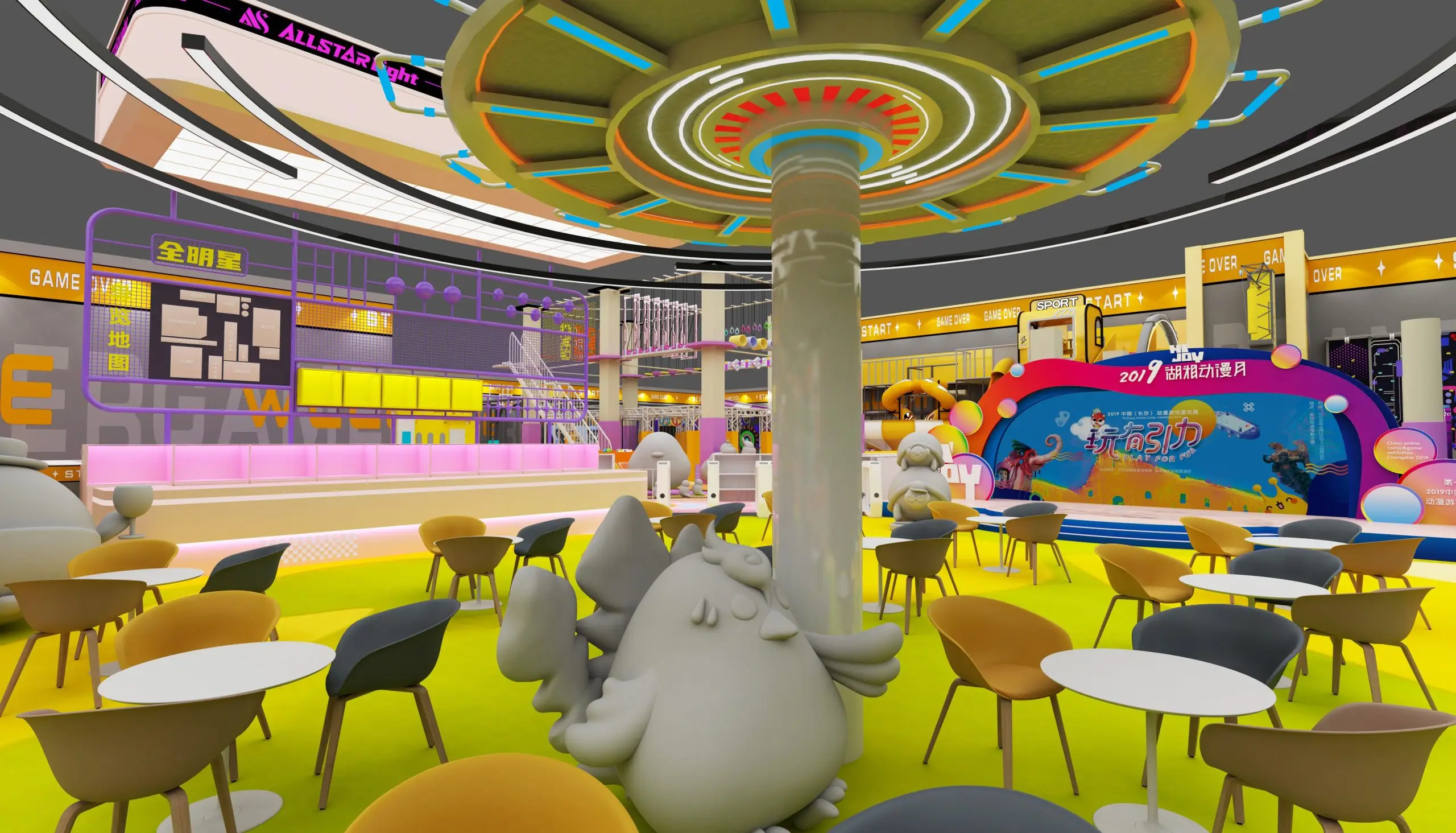
Soft Play Indoor Playground Foam: How to Extend Its Lifespan and Avoid Hidden Hazards
If you run a commercial indoor play center, you already know the biggest budget drain isn’t a cracked plastic slide—it’s the silent decay happening under the hood. We’re talking about the invisible breakdown of the soft play indoor playground foam inside your padded structures. On the outside, everything looks brand new. But underneath? That high-elastic foam might already be collapsing, losing its bounce, or turning into powder. This is the #1 reason behind saggy commercial soft play modules and sudden safety hazards. While most owners focus on wiping down vinyl and tightening bolts, neglecting the foam core will skyrocket your replacement costs and tank your guest reviews. Unlike residential furniture, commercial foam must endure continuous, high-frequency impacts from jumpi...Learn more -
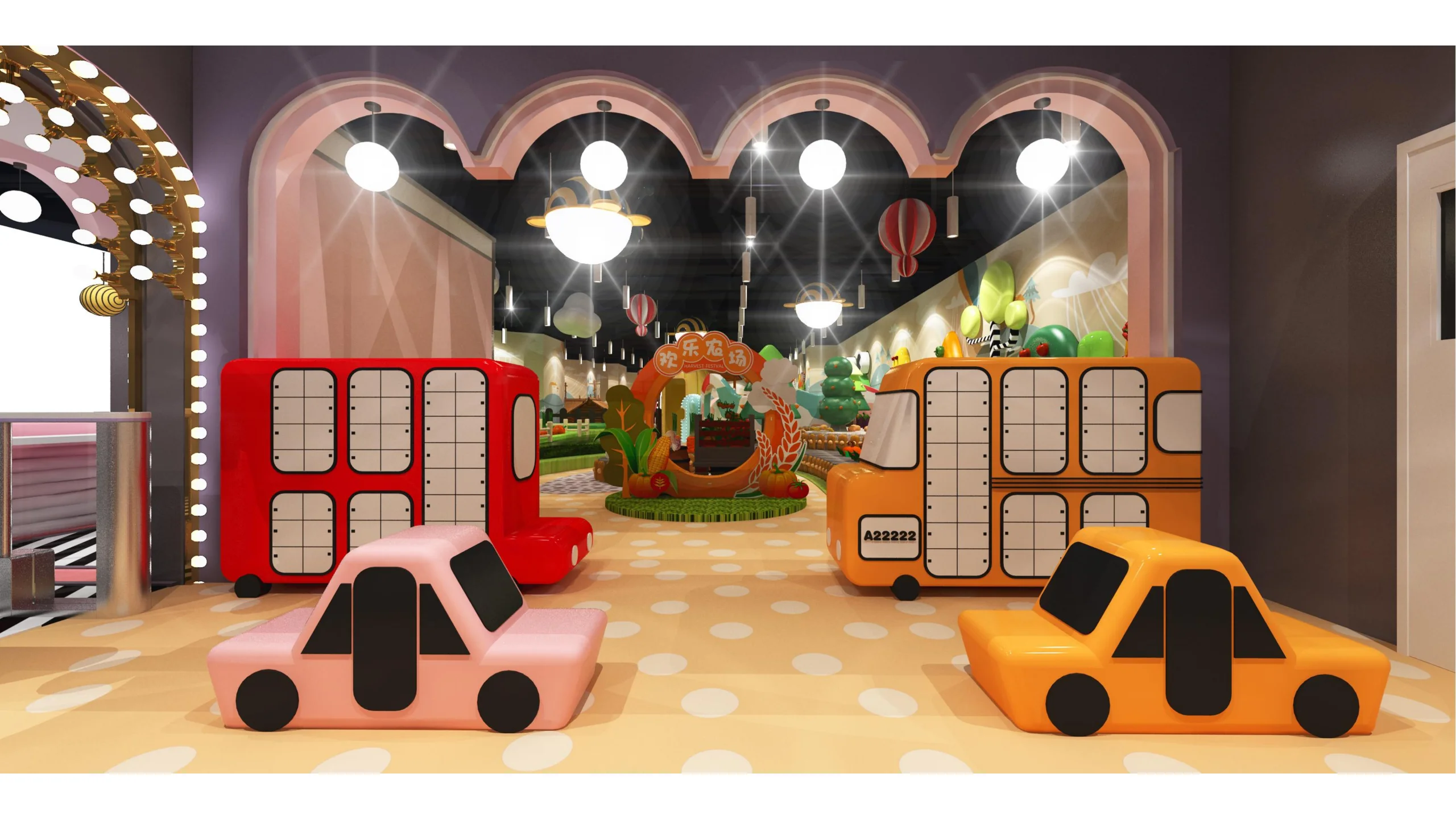
Daycare Soft Play Area Setup: The Space-Saving ROI Hack for 300 Sq Ft Classrooms
If you run a daycare, preschool, or early childhood center, you’ve probably hit the same frustrating wall: you only have a tiny 300 to 500 sq ft of open space, but you desperately want a dedicated play area to attract parents. The dilemma? Clunky, off-the-shelf plastic toys eat up your floor space, block fire exits, mess with your class transitions, and fail to meet strict licensing safety standards. Here is the good news: you don’t need a massive commercial venue to build an engaging play space. By leveraging a custom, modular soft play indoor playground design, you can maximize every square inch, support sensory development, and keep your space completely flexible. Stop Thinking Flat: The 2026 Strategy for Maximizing Tiny Daycare Footprints When walking into most ne...Learn more -
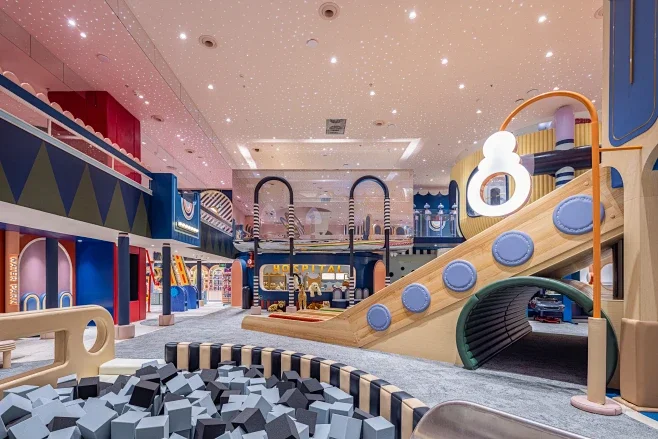
Ditch the “Ketchup and Mustard” Vibes: Why High-Saturation Indoor Playgrounds Are Total Flops in 2026
While a lot of operators are still trying to figure out where the latest indoor playground franchising trends are heading, top-tier venues have already quiet-quitted the old-school look. They’re lowkey waging a total color war. If you’re launching a new spot or planning an indoor playground design refresh in 2026, and you’re still trying to pack your space with those blinding primary reds, yellows, and blues—hold that thought. You might want to run the numbers first. Are you seriously down to lose 35% of your foot traffic and get straight-up ghosted by high-end landlords just for the sake of “classic” playground colors? Let’s be real. In the 2026 commercial play scene, aesthetics and operations are getting a massive glow-up. Those aggressively bright, color-bloc...Learn more -
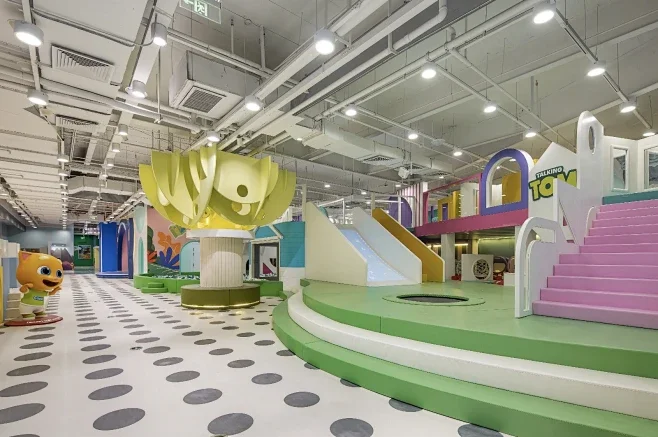
Don’t Blow Your Budget on a Total Remodel! 4 Low-Cost Indoor Playground Renovation Hacks to Crush the New Competition
Ever feel like your indoor playground is losing its mojo? You look around and see flashy new play spaces popping up nearby, stealing your regulars, while your membership renewals and repeat visits take a nosedive. The worst part? Your equipment isn’t even broken, and your daily maintenance is on point. Many owners fall into the trap of thinking they need to drop six figures on a complete, top-to-bottom remodel to stay in the game. But here’s the truth: your park isn’t failing because it’s broken—it’s failing because of play equipment material fatigue and visual aesthetic depreciation. Going all-in on a full teardown is a massive cash drain and forces you to close your doors for weeks, bleeding revenue. As a long-time expert in custom play equipment and park exec...Learn more