





 简体中文
简体中文 Español
 Français
 Deutsch
 Русский
 Português
 Italiano
 日本语
日本语 한국어
한국어 العربية
 Türkçe
 Tiếng Việt
 ไทย
ไทย Indonesia
 Melayu
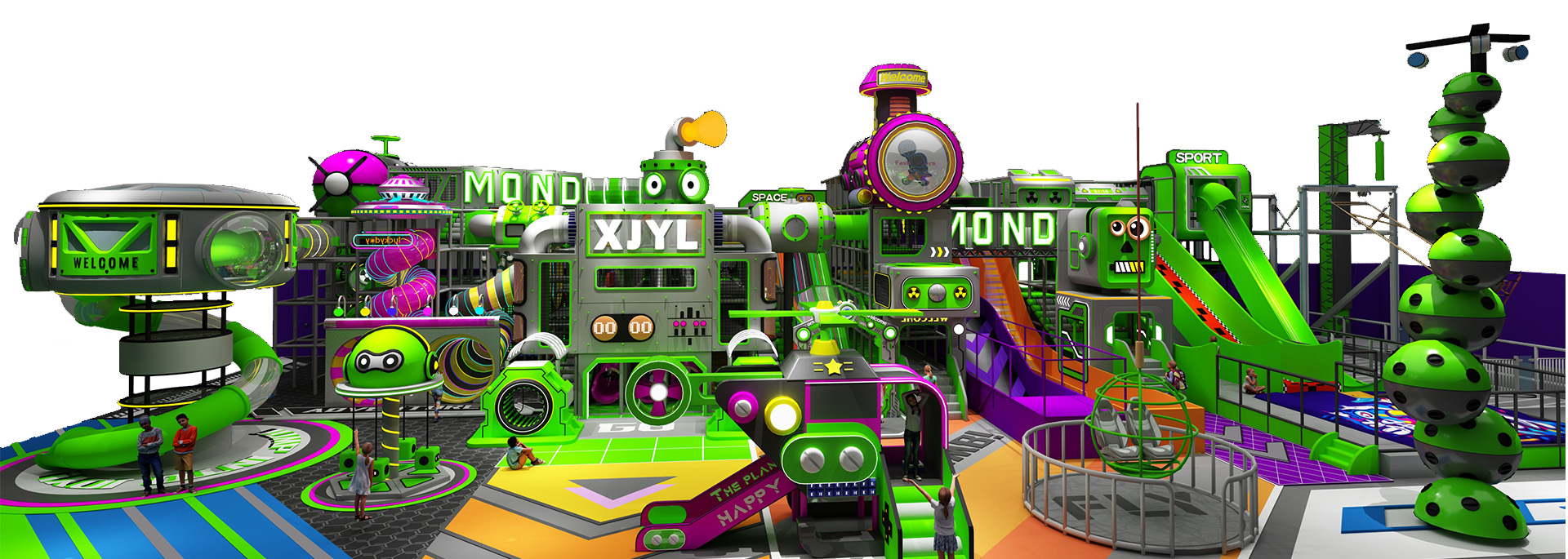
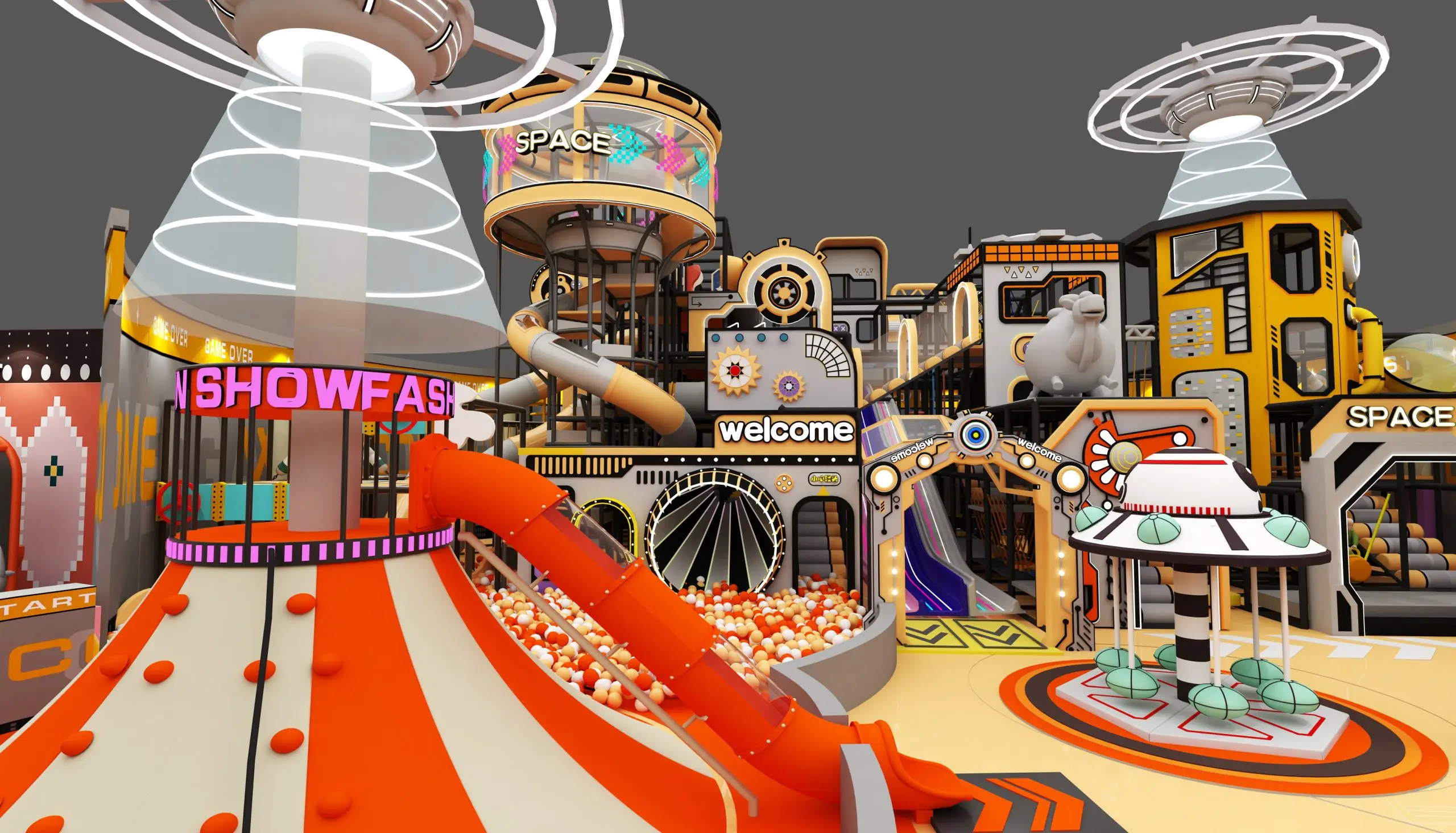
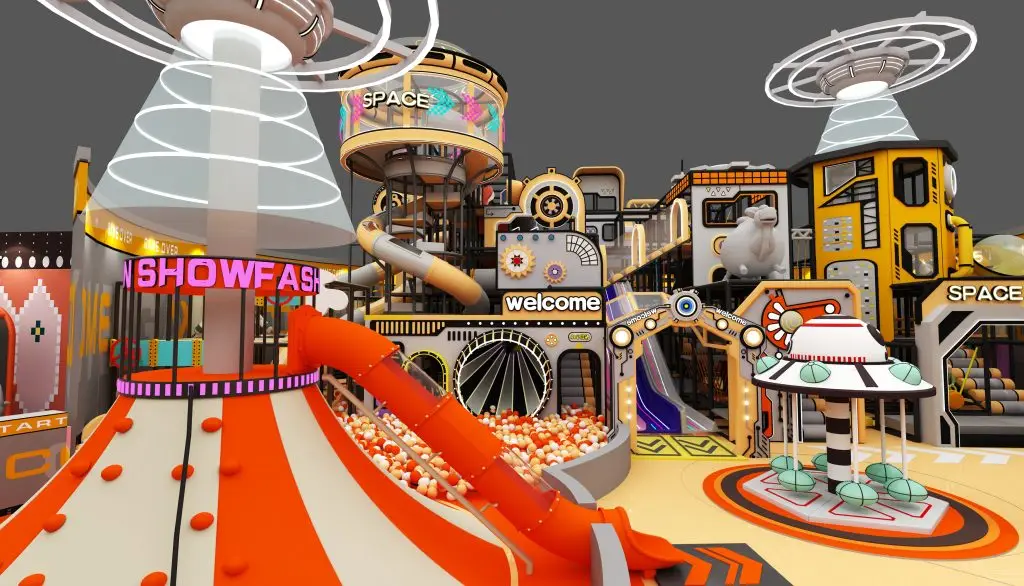
Operators of commercial indoor playgrounds in tropical rainy regions often encounter a common operational dilemma. After about six months of stable operation, mold grows silently inside the sponge of commercial soft play equipment. Hidden dead zones accumulate moisture and produce peculiar odors, triggering frequent parental sanitation complaints and damaging venue reputation and sustainable operation. In tropical high-temperature and high-humidity climates, high humidity indoor playground air circulation optimization and anti-mold soft play equipment customized design are no longer optional upgrades, but core rigid requirements for the early planning and daily operation of commercial venues. With years of experience in customized amusement equipment and overall venue solution implementation, Ledi summarizes a complete and implementable tropical playground moisture and mold prevention system from the perspectives of mold growth principles, material selection, ventilation and humidity control, and operation and maintenance standards.
Many venue operators simply attribute mold and odor problems to insufficient daily cleaning. However, most venues with standardized disinfection still face mold issues after half a year of operation. The core cause lies not in cleaning frequency, but in the superposition of material selection defects and air circulation design blind spots under special tropical climates, which creates optimal growth conditions for mold.
Underlying Principles of Mold Growth in Tropical Indoor Soft Playgrounds
Southeast Asia maintains a constant high temperature of 28℃ to 35℃ all year round, and the relative air humidity often exceeds 70% during rainy seasons. This stable high-temperature and high-humidity environment perfectly matches the optimal conditions for mold reproduction. Perhaps few people know that mold growth on soft play equipment almost occurs inside invisible equipment rather than on the surface leather.
Conventional commercial soft plays mostly adopt low-cost open-cell polyurethane sponge. Its internal interconnected network pores act like countless tiny water-absorbing sponges. Sweat generated by children’s play, residual moisture from daily cleaning, and floating moisture in the air continuously penetrate soft play gaps and be locked in sponge pores. The closed soft play structure cannot ventilate and dry naturally. Combined with continuous high tropical temperatures, mold spores can settle, reproduce and spread within 24 hours, eventually causing black sponge, stuffy venue odors, and substandard sanitation.
More importantly, enclosed play areas such as ball pits, maze passages, slide bottoms and climbing dead zones have long-term stagnant air, unable to dissipate moisture naturally, forming independent high-humidity micro-ecological environments and becoming the worst-hit areas for mold problems in the whole venue.
Core Playground Mold Prevention: Exclusive Anti-mold Material Selection List for High-humidity Areas
To fundamentally solve indoor soft playground mold problems, the primary step is to cut off moisture penetration paths and replace all low-quality materials suitable for conventional climates but not tropical high-humidity environments. According to the practical experience of thousands of commercial venues, we have sorted out a standardized anti-mold material selection list, which is the universal standard for Ledi’s global tropical venue projects.
1. Core Filling Sponge: Closed-loop Waterproof Foam Material
Completely eliminate traditional open-cell PU sponge and fully adopt EPE and EVA closed-cell polyethylene foam. Its core advantage lies in independent and sealed internal pores without interconnection, with nearly zero water absorption. It completely prevents moisture absorption, retention and accumulation, cuts off the mold growth carrier from the material source, and perfectly adapts to venues with long-term high humidity.
2. Surface Coating Fabric: Anti-bacterial and Anti-aging Commercial PVC Leather
Abandon ordinary household-grade PVC and PU fabrics, and select 0.55mm high-density thickened PVC leather certified by ASTM G21 anti-fungal tests. The special surface antibacterial coating can effectively inhibit the adhesion and division of mold spores. Meanwhile, all stitching interfaces and corner gaps are sewn with anti-corrosion expansion threads and sealed with inner waterproof pressure strips, completely blocking pinhole gaps and preventing cleaning disinfectant and sweat from penetrating into the equipment.
3. Bottom Support Plate: Industrial-grade Moisture-proof and Anti-corrosion Substrate
Ordinary MDF density boards are prone to expansion, mold and decay when exposed to moisture, and are strictly prohibited in tropical high-humidity venues. Standard commercial configuration adopts 18mm marine-grade multi-layer plywood or HDPE high-density plastic boards, which are waterproof, anti-corrosion, not easy to deform, resistant to long-term humid environments, and eliminate secondary mold and odor problems caused by damp and rotten substrates.
Exclusive Design for High-humidity Venues: Air Circulation and Intelligent Humidity Control System Solution
High-quality material selection only solves the problem of equipment mold growth. To completely eliminate overall venue dampness and odor, a scientific high humidity playground air circulation layout is essential. Many commercial venues only rely on central air conditioning for temperature control but ignore its dehumidification limitations, which is the key loophole leading to excessive humidity and repeated mold growth.
Central air conditioning only provides weak dehumidification effect during cooling operation and will automatically stop when reaching the set temperature. Indoor humidity will rebound rapidly after shutdown. Especially during closed hours at night with no ventilation, moisture accumulates continuously in the closed venue. For this pain point, tropical commercial venues need to adopt a combined solution of fresh air convection, independent dehumidification and zoned humidity control.
1. Global Fresh Air Convection Layout to Optimize Dead Zone Ventilation
Break the traditional single hall air supply mode, extend the fresh air pipe network to all air stagnation dead zones such as maze depths, ball pit bottoms and slide undersides, and form global cross ventilation through staggered air supply and exhaust outlets. Strictly control the venue air exchange rate and stably maintain 6-8 air changes per hour (ACH) to continuously replace humid indoor air and avoid local moisture accumulation.
2. Intelligently Linked Dehumidification System for All-weather Humidity Control
Equip with independent industrial intelligent dehumidifier units, set a precise humidity trigger threshold of 55%RH, link with global temperature and humidity sensors to realize automatic start and stop. Assist air conditioning to balance temperature and humidity during peak business hours, and keep dehumidifying equipment running continuously after air conditioning is shut down at night, stably locking the indoor relative humidity between 50% and 60% to completely eliminate the humidity conditions for mold growth.
Commercial Parameter Comparison: Ordinary Soft Play VS Ledi Custom High-humidity Soft Play
To help venue investors and designers quickly screen suitable materials and avoid selection mistakes, the following structured commercial parameter comparison clearly distinguishes the core differences between ordinary soft plays and high-humidity customized soft plays:
| Parameter Dimension | Ordinary Commercial Soft Play (Prone to Mold in Tropical Humid Areas) | Ledi Custom Soft Play Exclusive for Tropical High-humidity Areas |
|---|---|---|
| Inner Filling Sponge | Open-cell PU rebound sponge, easy to absorb and store moisture | Closed-cell EPE polyethylene foam, zero water absorption and moisture-proof |
| Bottom Support Plate | Ordinary MDF fiberboard, expands and molds when exposed to water | 18mm marine plywood / HDPE plastic board, waterproof and anti-corrosion |
| Outer Surface Material | Basic household PVC/PU fabric, no antibacterial performance | 0.55mm ASTM G21 antibacterial commercial PVC, mold and bacteria resistant |
| Stitching Waterproof Technology | Direct stitching with ordinary nylon thread, easy water penetration through pinholes | Anti-corrosion thread + inner waterproof seam tape sealing, fully closed moisture-proof |
| Applicable Scenarios | Indoor venues in dry areas with low humidity | Closed commercial amusement venues with tropical rainy and high-humidity climate |
Commercial Venue High-frequency FAQ: Practical Mold Prevention Solutions for Humid Playgrounds
Combined with a large number of commercial venue after-sales consultations and commissioning experience, we have sorted out the most concerned practical problems of practitioners, accurately solving core pain points such as commercial ball pit moisture prevention, old venue renovation and daily operation and maintenance:
Q1: How to completely solve the long-term dampness and water return at the bottom of ball pits during Southeast Asian rainy seasons?
A: Ball pits are the worst-hit mold areas in high-humidity venues. Conventional wiping and ventilation cannot solve bottom moisture accumulation. The commercial standard solution adopts a hollow microporous bottom plate design, elevates the entire ball pit by 5-10cm, embeds directional exhaust pipes and silent exhaust fans at the bottom, forms a bottom-up air flow channel, continuously takes away moisture accumulated in the gaps of tens of thousands of balls, and fundamentally avoids dampness and mildew at the ball pit bottom from the structure.
Q2: Is renovation and cleaning feasible for soft play equipment with slight mold and odor after six months of operation?
A: Not feasible. Mold hyphae deeply root inside open-cell sponge. Surface disinfection and deodorization only cover the problem temporarily and cannot completely remove mold, which will regrow repeatedly in high-temperature and high-humidity environments. The optimal solution is to directly replace with closed-cell moisture-proof soft play materials, upgrade the venue fresh air and dehumidification system, and completely solve the problem from both equipment and environment dimensions.
Q3: Are there simple and efficient mold prevention operation specifications for daily maintenance of high-humidity venues?
A: Yes. Keep the dehumidifier running for more than 2 hours after daily closing to remove residual venue moisture; clean ventilation openings of play dead zones weekly to avoid dust blockage affecting air flow; test venue humidity monthly to ensure RH value stably maintains between 50% and 60%; avoid direct water splashing cleaning on soft play equipment and adopt dry-wet separation disinfection priority.
Moisture and mold prevention for indoor playgrounds in tropical high-humidity areas is never a single cleaning and maintenance issue, but a systematic project covering anti-fungal playground equipment selection, venue ventilation system design, intelligent humidity control and standardized operation and maintenance. With years of experience in one-stop customized services for commercial amusement venues, Ledi provides free 2D/3D venue planning, exclusive moisture and mold prevention scheme design, full-set equipment customization and on-site installation and commissioning according to venue area, site pattern and regional climate characteristics. We help commercial venues avoid hidden mold risks in the early design stage, reduce later operation and maintenance costs and reputation losses, and ensure long-term stable and high-quality venue operation.