







 简体中文
简体中文 Español
 Français
 Deutsch
 Русский
 Português
 Italiano
 日本语
日本语 한국어
한국어 العربية
 Türkçe
 Tiếng Việt
 ไทย
ไทย Indonesia
 Melayu
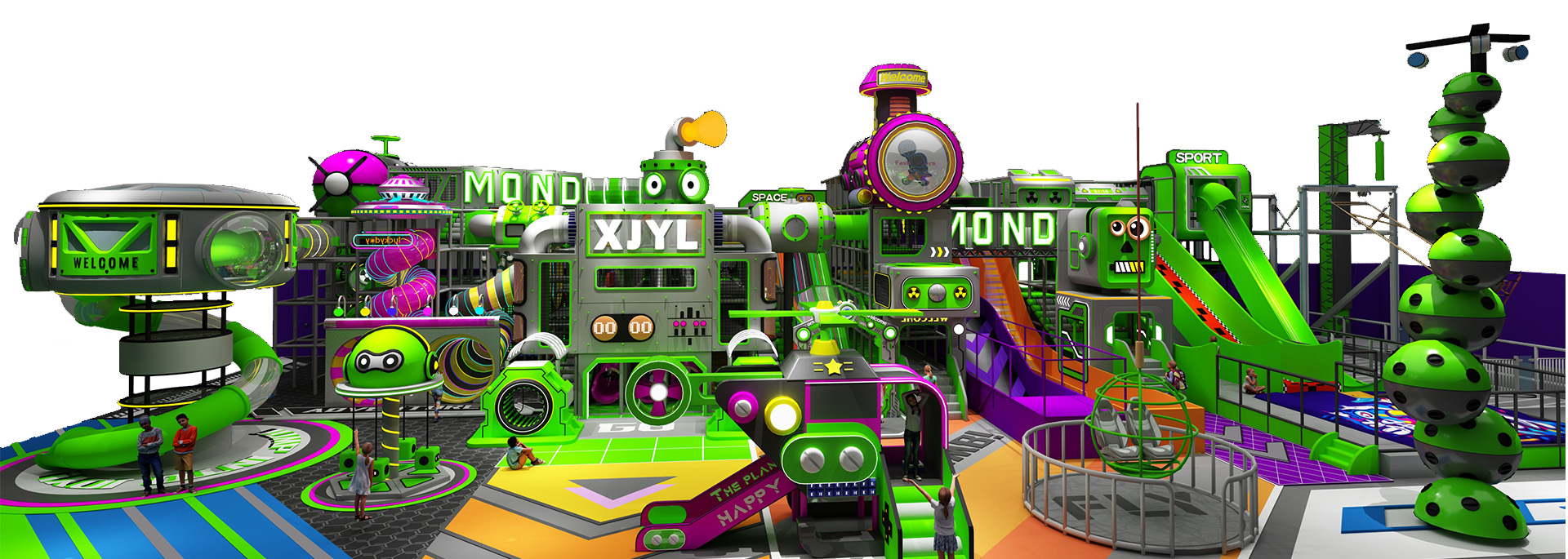
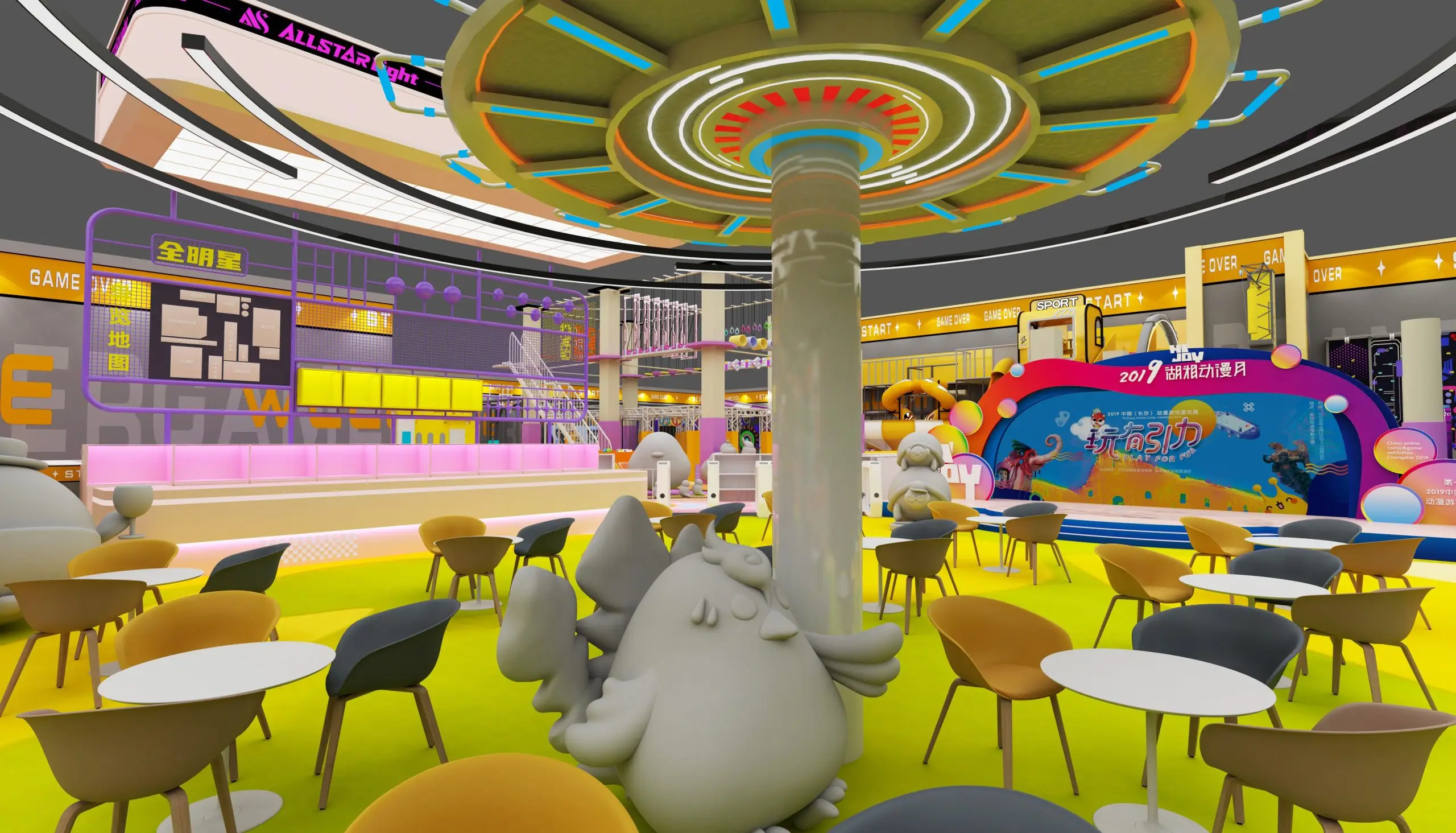
If you run a commercial indoor play center, you already know the biggest budget drain isn’t a cracked plastic slide—it’s the silent decay happening under the hood. We’re talking about the invisible breakdown of the soft play indoor playground foam inside your padded structures. On the outside, everything looks brand new. But underneath? That high-elastic foam might already be collapsing, losing its bounce, or turning into powder. This is the #1 reason behind saggy commercial soft play modules and sudden safety hazards. While most owners focus on wiping down vinyl and tightening bolts, neglecting the foam core will skyrocket your replacement costs and tank your guest reviews.
Unlike residential furniture, commercial foam must endure continuous, high-frequency impacts from jumping kids and resting adults. Combined with poor ventilation, humidity, sweat, spilled drinks, and harsh chemical cleaning residues, the foam matrix oxidizes rapidly, losing its structural integrity.
According to 2026 commercial play equipment industry data, soft play foam without a proper maintenance routine lasts only 10 to 14 months before showing severe degradation. However, play centers that stick to a standardized care playbook can more than double their foam’s lifespan. Drawing from over a decade of manufacturing and servicing thousands of commercial indoor play spaces, Ledi Playground has compiled this ultimate guide to keeping your soft play padding in peak condition.
1. The Three Silent Killers of Soft Play Foam
Before you can fix the issue, you need to understand what’s destroying your foam from the inside out:
- Localized Compression Fatigue: High-traffic zones like slide landing pads, steps, and ball pit edges take a beating. Repeated impacts in the exact same spot cause irreversible deformation—much like an overstretched spring that can no longer snap back.
- Moisture Traps & Oxidation: Sweat, spilled sodas, and humid indoor air easily seep through seams. Trapped moisture breaks down the polyurethane polymers, leading to mold, a stiff texture, and eventual powdering.
- Chemical Corrosion: Many cleaning crews use harsh bleach, chlorine-based sanitizers, or strong acids to sanitize vinyl. These chemicals seep through stitching lines and degrade the chemical bonds of the foam inside, rendering it brittle.
2. Your Go-To Commercial Foam Maintenance Playbook
You don’t need a massive budget to protect your investment. Implement these simple, high-impact routines to distribute pressure and keep moisture at bay:
Daily Essentials (The Quick Wins)
- Post-Hours Ventilation: At the end of the day, turn on your HVAC system, unzip the side zippers of high-traffic soft play blocks slightly, and let them air out for at least 2 hours to release trapped moisture.
- Neutral Cleaning: Spot clean the vinyl covers with pH-neutral soap and water. Use a utility vacuum to pull crumbs and dust out of crevices before they can harbor mold or grind into the foam.
- Spill Protocol: If a drink spills, unzip the cover immediately, remove the foam block, wipe it dry, and let it air-dry completely before reassembling. Never let wet foam sit sealed.
Quarterly Deep Care (The “Tire Rotation” Method)
- 180-Degree Module Rotation: Just like rotating car tires, rotate and flip symmetrical soft play modules 180 degrees. This redistributes the impact zones, allowing slightly compressed areas to bounce back and recover.
Ledi Tip: All Ledi commercial play equipment features modular, symmetrical designs, making rotation a quick, tool-free DIY task for your staff. - The 3-Second Rebound Test: Press down firmly on the foam. If it takes longer than 3 seconds to recover its original shape, or if you can feel the wooden backing plate beneath, the foam is fatigued and should be scheduled for replacement.
- Seam Inspection: Check all vinyl stitching and zippers. Repair minor tears early to keep dust, liquids, and moisture from reaching the inner core.
Annual Audits & Upgrades
- Zoned Upgrades: Inspect the entire park and replace any foam inserts that have lost more than 25% of their original thickness or show signs of crumbling.
- Flow Optimization: Tweak your play center’s layout, barriers, or signage to subtly shift queuing lines and heavy traffic away from overworked soft padding zones.
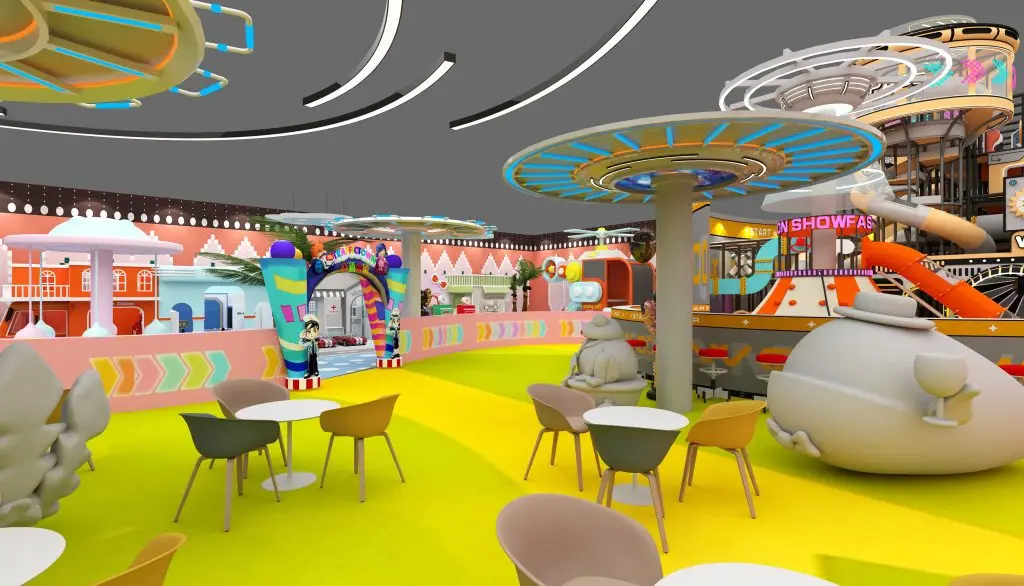
3. Maintenance vs. Lifespan: The ROI Breakdown
Based on 2026 industry statistics, the difference between a neglected park and a well-maintained one is night and day:
| Maintenance Standard | Average Foam Lifespan | High-Wear Areas | Business Impact |
| No routine maintenance (Surface wipe-down only, no venting) | 10-14 months | Steps, slide landings, ball pit walls | High safety risks, sagging pads, frequent and costly repairs |
| Standard maintenance (Daily venting + quarterly rotation) | 22-28 months | Even, minimal wear across all modules | Stable equipment, low liability risks, minimized overhead |
| Ledi High-Density Foam + Pro Maintenance | 30+ months | Minor edge wear, zero structural sagging | Premium guest experience, maximum equipment ROI, peak park safety |
4. Frequently Asked Questions (FAQ)
Q1: Can saggy or slow-rebounding foam be saved?
A: Minor compression fatigue is reversible. If you catch it early, rotating the block, airing it out, and allowing it to rest (uncompressed) for 1 to 2 weeks can restore up to 70% of its original elasticity. However, if the foam is crumbling internally or has hollow spots, it must be replaced immediately to maintain safety standards.
Q2: How do I sanitize soft play areas without ruining the foam?
A: Avoid pressure washing, soaking, or using harsh bleach. Instead, use a dry-fogging sanitizer or lightly mist the vinyl with a diluted, neutral sanitizer, then wipe it dry. Always ensure the park is fully dry and ventilated before opening the doors.
Q3: My team is short-staffed. What’s the absolute minimum care we can do?
A: If you are low on labor, stick to these three non-negotiables:
- Run your ventilation/HVAC system after closing.
- Vacuum vinyl crevices once a week.
- Rotate high-traffic soft play blocks once every six months.This basic checklist will still prevent 80% of premature foam failures.
5. The Expert Takeaway: Preventative Care Beats Constant Replacement
In the indoor playground business, many operators get trapped in a frustrating cycle of “break, replace, repeat.” But the truth is, premature foam failure isn’t a materials issue—it’s a maintenance issue. Saving a few minutes on daily care might feel like a shortcut, but it leads to massive replacement bills, safety liabilities, and unhappy customers down the road.
At Ledi Playground, we don’t just manufacture high-density, ultra-rebound, safety-certified soft play systems; we empower our partners with customized maintenance guides and lifetime operational support. Let us help you optimize your park’s durability, slash your overhead costs, and keep your indoor playground running safely and profitably for years to come!